
"coffee cultivation"
30000 article(s) found
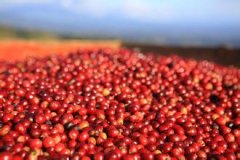
A brief introduction to the cultivation of Panamanian Flint Manor Coffee with fertile soil
Elida Manor has a total area of 65 hectares, more than half of which are located within the Baru Volcano National Park, 30 hectares of the estate are planted with coffee trees, and the remaining 35 hectares are virgin forests. The Baru volcano has an altitude of more than 11400 feet, and the land around it is rich in nutritious and fertile soil, providing sufficient conditions for the sowing and cultivation of coffee endemic to Panama.

A brief introduction to the altitude and climate of the cultivation of Mazu coffee in Alishan, Taiwan
In 1941 (the 16th year of Rizhaohe), most of the raw beans were shipped back to Japan. The planting area of coffee in Taiwan has reached 75 hectares, and it was called the largest coffee factory in the far East in its heyday. In 1945 (Rizhaohe 20 years), the area of coffee cultivation in Taiwan expanded to 113 hectares after the war. After the surrender of Japan, Taiwan was restored, and the national government strongly advocated the reclamation of fertile land and the cultivation of cash crops.
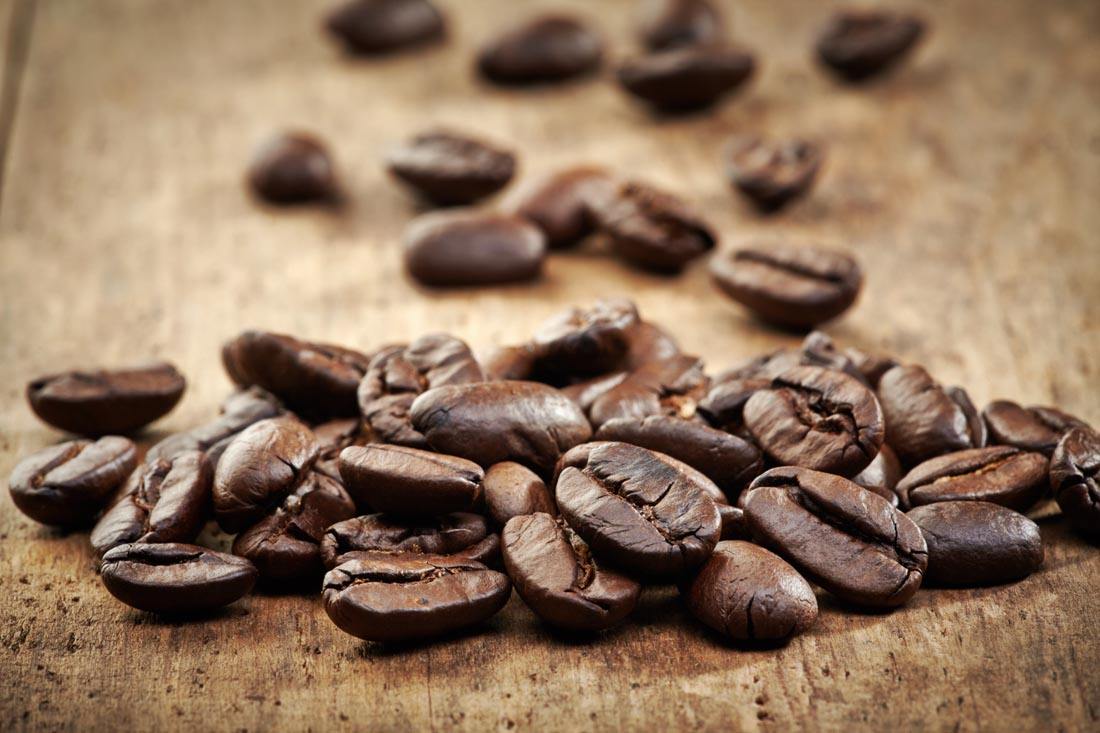
Introduction to Coffee Climatic cultivation in Ethiopia
Following Kaiping (official Wechat account vdailycom) has found that climate change may cause about half of Ethiopia's coffee-growing areas to become unsuitable for coffee cultivation by the end of the century. However, the study report is not all bad news, the researchers also proposed that through the transfer of coffee producing areas, afforestation and forest protection, the total area of coffee cultivation is expected to expand

A Brief Talk on Coffee Producing Area and Common Knowledge of Bean Cultivation
The method of processing coffee is an important key to determining the flavor of coffee. Coffee from different producing areas will have distinctive floral, fruity or special aromas. Through our roasting process, we will endow it with life. That is to say, in order to show the unique aroma of this producing area, we will choose the appropriate roasting method to highlight its due flavor. Coffee is classified into three categories worldwide.

History of coffee production and cultivation in Rwanda Coffee hometown people's Security of the Coffee Market in Rwanda
The history of coffee cultivation in Rwanda is very tortuous. In 1904, German missionaries introduced coffee to Rwanda. Exploited by Belgian colonists, coffee grew slowly and peaked in the 1930s. During this period, mainly large quantities, low-grade coffee production. The instability of colonial rule led to the Rwandan genocide in 1994. In a period of 100 days
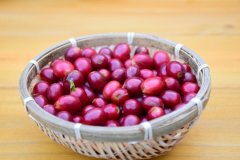
The cultivation of Colombian Coffee Manor in-depth understanding of Colombian Coffee
For the exchange of professional baristas, please follow the coffee workshop (Wechat official account cafe_style) about coffee growing in Colombia Columbus coffee cultivation is distributed along the Andes Mountains, from south to north, it is roughly divided into northern producing areas (green), central producing areas (orange, purple) and southern producing areas (yellow), in which the orange-purple region has two primary and secondary seasons, green and yellow.

Talk about the cultivation of coffee
Coffee (Coffee) is derived from the Latin word Coffea (biological word name) and belongs to a member of the Rubiaceae family. These plants are all woody plants, most of which are distributed in the tropics, with more than 500 classifications and about 6000 varieties.
Coffee knowledge-- Coffee cultivation
Coffee can not be grown in any environment, because it is originally a plant growing in a tropical rain forest. In systematic development, coffee forms the habit of calm wind, cool, shaded or semi-shaded and humid environment. Therefore, coffee has strict requirements on planting conditions. We call the strips on both sides of the equator, between latitudes 25 degrees south and north, suitable for coffee growth as coffee belts. 1. Temperature. Yes
Coffee cultivation has become Peru's main source of economic income.
In 2011, Peruvian coffee exports reached US $1.56 billion, with specialty coffee accounting for 25 per cent of total coffee exports, while organic coffee accounted for 80 per cent of specialty coffee and fair trade and eco-friendly coffee accounted for 20 per cent. The export of organic coffee has great potential for growth and will help Peru achieve greater economic and social development. At present, Peru's specialty coffee export ranks third in the world, ranking in Colombia.
Nestl é promotes the sustainable development of Pu'er coffee cultivation
On May 19th, another 611 Yunnan coffee farmers and coffee growing companies passed the international third-party audit and obtained the 4C (Common Code for the Coffee Community) Coffee Community General Management rules) certification, allowing them to sell coffee that meets the 4C standard.

Coffee botany knowledge
The botanical description of coffee is: "Coffee is Rubiaceae, coffee, evergreen shrubs or small trees."

Cultivation of coffee beans in Tanzania
Tanzanian coffee is a high-end brand coffee, which has received a great deal of attention recently. Most coffee is grown on small-scale farms and the coffee produced is mainly for export. Although the aroma of coffee is not much different from that of Kenya, a neighboring coffee producer, the production technology or raw bean processing equipment lags far behind Kenya. The high-end coffee in Tanzania, mainly in Kilima.
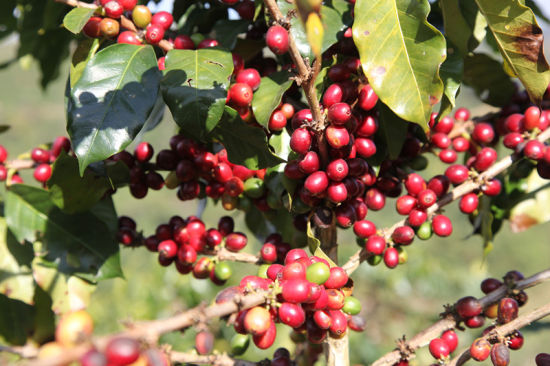
Cultivation of Cabernet Coffee and Arabica beans in Madagascar (Madagascar)
Madagascar (Madagascar) is basically a producer of Robbins coffee, but plans to increase the cultivation of Arabica beans. Since 1989, the coffee industry on the island has been privatized and many regulations have been lifted, with a total output of about 1 million bags a year. As Malagasy people like to drink coffee, the domestic consumption of coffee is very high. The country
Volcanic geology Coffee cultivation Nicaragua Coffee bean flavor
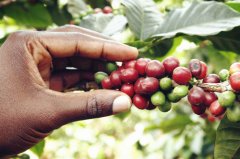
The volcanic ash and shady cultivation produce high-quality Nicaragua coffee with a mild, mild, slightly acidic flavor. Nicaragua coffee is the largest of all coffee beans, and MADRIZ is located in the mountains of northern Nicaragua, adjacent to Nueva Segovia, Jinotega and Esteli. This area is quiet and elegant, with the famous Somoto
Knowledge of coffee botany
There are more than 60 kinds of coffee, but there are roughly two varieties of coffee grown commercially on a large scale, one is Arabica, accounting for about 70 percent of the world's coffee planting area, and the other is Robasta, accounting for about 30 percent of the world's coffee planting area.

An introduction to the New Organic Coffee Manor-- an introduction to the cultivation of Organic Coffee in Borosa Manor
Organic Coffee (Purosa Estate M10 JAS Organic) the seeds of coffee from Papua New Guinea were introduced from Jamaica, Kenya, Tanzania and other countries more than 70 years ago in the 1930s. Formal planned cultivation since the 1950s; the main producing areas are Groca and Madha in the central mountains. This Polosa farm.
Yunnan Coffee Yunnan coffee varieties Tiebika and Bobang Yunnan coffee cultivation history
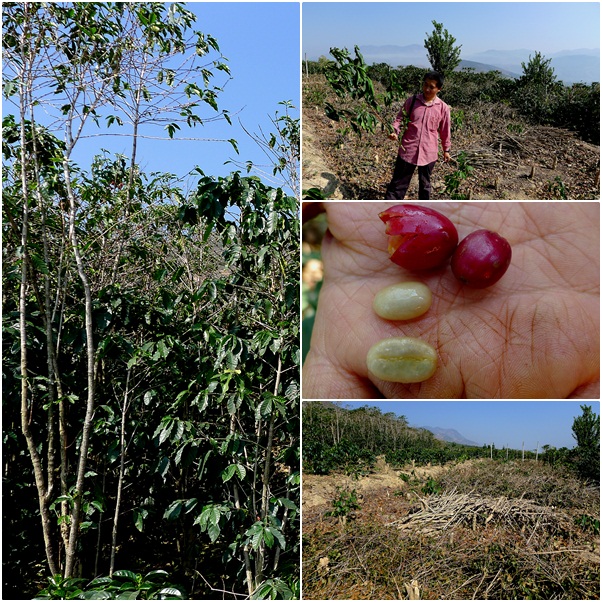
Yunnan coffee in China Yunnan coffee large-scale cultivation was in the mid-1950s, once planted on a scale of 4000 hectares. By the end of 1997, the province's coffee planting area had reached 7800 hectares. At present, the province's planting area accounts for 70% of the country's area, and its output accounts for 83% of the country's total. Whether it is from the planting area or coffee bean output, Yunnan coffee has established its dominant position in China. Jane

The reason for the large scale of coffee cultivation in Rwanda
Professional coffee knowledge exchange more coffee bean information Please follow the coffee workshop (Wechat official account cafe_style) Rwanda is a great place, the weather there is very good, this is because the climate allows coffee to grow. The vigorous development of coffee in Rwanda has benefited from the characteristics of solar and equatorial mist, high altitude and volcanic soil suitable for coffee growth. Coffee is
Uganda Organic Bugisu Grade: HB Cultivation Area: Ergon Region, Mbale
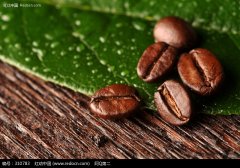
Uganda Organic Bugisu Country of production: Uganda Grade: HB Region of cultivation: Elgon region, Mbale Brand: Organic Bugisu Method of treatment: Wet treatment Appearance: 1.8d/300gr, 16-18SCR Variety: Unknown Note: This coffee is grown in Uganda's Mount Elgon region, at an altitude of 1600 to 1900 meters Balanced acidity and rich oil is this coffee

Basic knowledge of coffee cultivation basic knowledge of coffee
What is coffee? Coffee is the fruit of a Rubiaceae plant growing about 6000 feet above sea level, distributed on the world's narrow subtropical axis; coffee trees grow green all the year round and can grow up to 20 feet tall, and are generally controlled at 8 to 10 feet for easy harvest. It takes three to five years for the coffee tree to bear fruit. First of all, it produces small white flowers that resemble jasmine in shape and size.